
More than a century at the heart of Eton Wick.
From a village Institute created for recreation and fellowship to the busy community venue it is today, the hall has been part of Eton Wick life for generations.
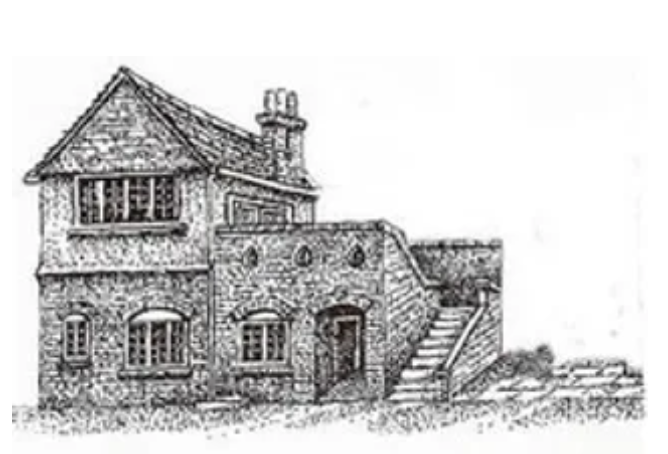
The building has changed, grown and adapted — but its place at the centre of village life has remained.
A hall shaped by its community.
The foundation stone
Edward Littleton Vaughan, a great benefactor to Eton Wick, laid the commemorative stone in the porch on Friday 16 November.
The Institute opens
The building opened on 22 January as “The Institute”, providing recreation and fellowship for the village.
Women and girls join in
After local women and girls expressed their disappointment at being excluded, a club was established for them later that year.
The hall grows
The building was enlarged as its role within the village continued to develop.
A school in wartime
During the early years of the Second World War, the hall became a school for evacuees billeted in Eton Wick.
Major refurbishment
A major programme of improvement modernised the hall and included the installation of air conditioning.
More than a building.
The hall’s story is also the story of the people who created it and the generations who have changed it since.
A new place for the village.
The hall first opened as “The Institute” on 22 January 1907, after the foundation stone had been laid the previous November.
Its purpose was to provide recreation and fellowship, initially for the men and boys of Eton Wick.
It started with a gift.
The land on which the village hall stands was given by Edward Littleton Vaughan, a great benefactor to Eton Wick.
Known affectionately in the village as “Toddy” Vaughan, he also laid the commemorative foundation stone in the porch in November 1906.
A building that kept changing.
The hall was enlarged in 1929 and further extensions followed after the Second World War, allowing it to continue adapting to village life.
By 2009 the building was very different from the original 1907 Institute — but was still serving the same community.
Village life quickly changed the original plan.
Women and girls in Eton Wick made it clear that they were disappointed not to be included in the new Institute.
By December, a women’s and girls’ club had been formed. Girls over thirteen could become members and take part in activities including gymnastics, dancing and sewing.
Even in its first year, the building was already evolving in response to the community around it.
Different generations. Different uses.
A place to perform
Concert parties and variety groups performed in the hall over the decades, including the Minstrel Troop in the 1920s and, after the Second World War, the Shoestrings and Unity Players.
A place to learn
During the early years of the Second World War the hall became a school for children evacuated to Eton Wick.
A place that kept growing
Further extensions followed in the post-war years, allowing the building to continue adapting to the needs of the village.
Still part of everyday village life.
More than a century after it opened, Eton Wick Village Hall continues to provide space for regular groups, activities, family celebrations and community events.
Explore the Venue